

Content promotion strategies decide whether your blog post actually gets seen or just collects digital dust. But most people assume that creating great content is enough to attract an audience. The reality is even the best content can sit unnoticed unless you promote it with intention and direction. Research shows that understanding your target audience can increase your revenue potential by up to 760 percent. That lifts content promotion from an afterthought to the engine behind real results.
Table of Contents
- What Are Content Promotion Strategies And Why Are They Important?
- The Role Of Target Audience In Content Promotion Strategies
- Key Platforms And Channels For Effective Content Promotion
- Understanding Metrics And Analytics In Content Promotion
- Integrating Content Promotion Strategies With Overall Marketing Goals
Quick Summary
| Takeaway | Explanation |
|---|---|
| Target audience analysis is essential | Understanding demographics and behaviors allows tailored content that resonates. |
| Integrate multiple channels for promotion | Using various platforms enhances visibility and reach to different audience segments. |
| Leverage metrics to optimize strategies | Analyzing performance data helps refine content and improve engagement rates. |
| Align content with marketing goals | Ensuring content supports overarching objectives enhances brand messaging effectiveness. |
| Deliver consistent brand messaging | Unified communication across channels builds trust and reinforces brand identity. |
What are Content Promotion Strategies and Why are They Important?
Content promotion strategies represent systematic approaches businesses and content creators use to amplify their digital content’s reach, engagement, and visibility across multiple channels. Unlike simple content distribution, these strategies involve intentional, targeted methods designed to connect specific content with the most relevant audience segments.
Understanding Content Promotion Fundamentals
At their core, content promotion strategies transform high-quality content from passive assets into dynamic communication tools. The primary objective is moving beyond organic discovery by proactively presenting content where potential audiences are most likely to consume and interact with it. Learn more about strategic content discovery can help marketers understand these nuanced approaches.
Key elements of effective content promotion strategies include:
- Strategic channel selection based on target audience demographics
- Consistent brand messaging across platforms
- Measured and analytical approach to content distribution
- Engagement-driven content positioning
The Critical Importance of Strategic Promotion
According to research from the Journal of Extension, strategic content promotion can dramatically increase website traffic and audience engagement. Without deliberate promotion, even exceptionally crafted content risks remaining undiscovered, rendering significant creative efforts essentially ineffective.
Businesses and content creators invest substantial resources in content development. Content promotion strategies ensure these investments yield measurable returns by expanding content visibility, driving traffic, generating leads, and ultimately supporting broader marketing objectives. The most successful strategies integrate multiple channels, including social media, email marketing, paid advertising, and strategic partnerships, creating a comprehensive approach to content amplification.
Ultimately, content promotion is not about broadcasting but connecting. By understanding audience preferences, leveraging appropriate channels, and delivering value-driven content, organizations can transform their digital communication from monologue to meaningful dialogue.
The Role of Target Audience in Content Promotion Strategies
Target audience analysis serves as the critical foundation of successful content promotion strategies, transforming generic communication into precise, resonant messaging that drives meaningful engagement. By deeply understanding demographic, psychographic, and behavioral characteristics, marketers can craft content that speaks directly to specific audience segments.
Defining Audience Characteristics
Successful content promotion requires comprehensive audience mapping that goes beyond basic demographic information. Explore advanced audience targeting techniques to refine your strategic approach. Key audience characteristics include:
- Demographic factors like age, gender, income, and location
- Psychographic elements such as interests, values, and lifestyle preferences
- Online behavior patterns including preferred platforms and content consumption habits
- Professional context and specific pain points relevant to their industry
Strategic Alignment and Personalization
According to Harvard Business School Online, understanding your target audience can increase revenue potential by up to 760%. This remarkable statistic underscores the importance of precise audience targeting. Effective content promotion strategies prioritize personalization, recognizing that modern consumers expect tailored experiences that directly address their unique needs and challenges.
The most sophisticated content promotion approaches leverage data analytics and audience insights to create highly targeted content ecosystems. By matching content format, tone, and distribution channels to specific audience segments, marketers can dramatically improve engagement rates, build brand trust, and create more meaningful connections with their intended audience.
Ultimately, target audience understanding transforms content from a broadcast medium into a strategic communication tool, enabling organizations to move beyond generic messaging and create genuinely impactful digital experiences.
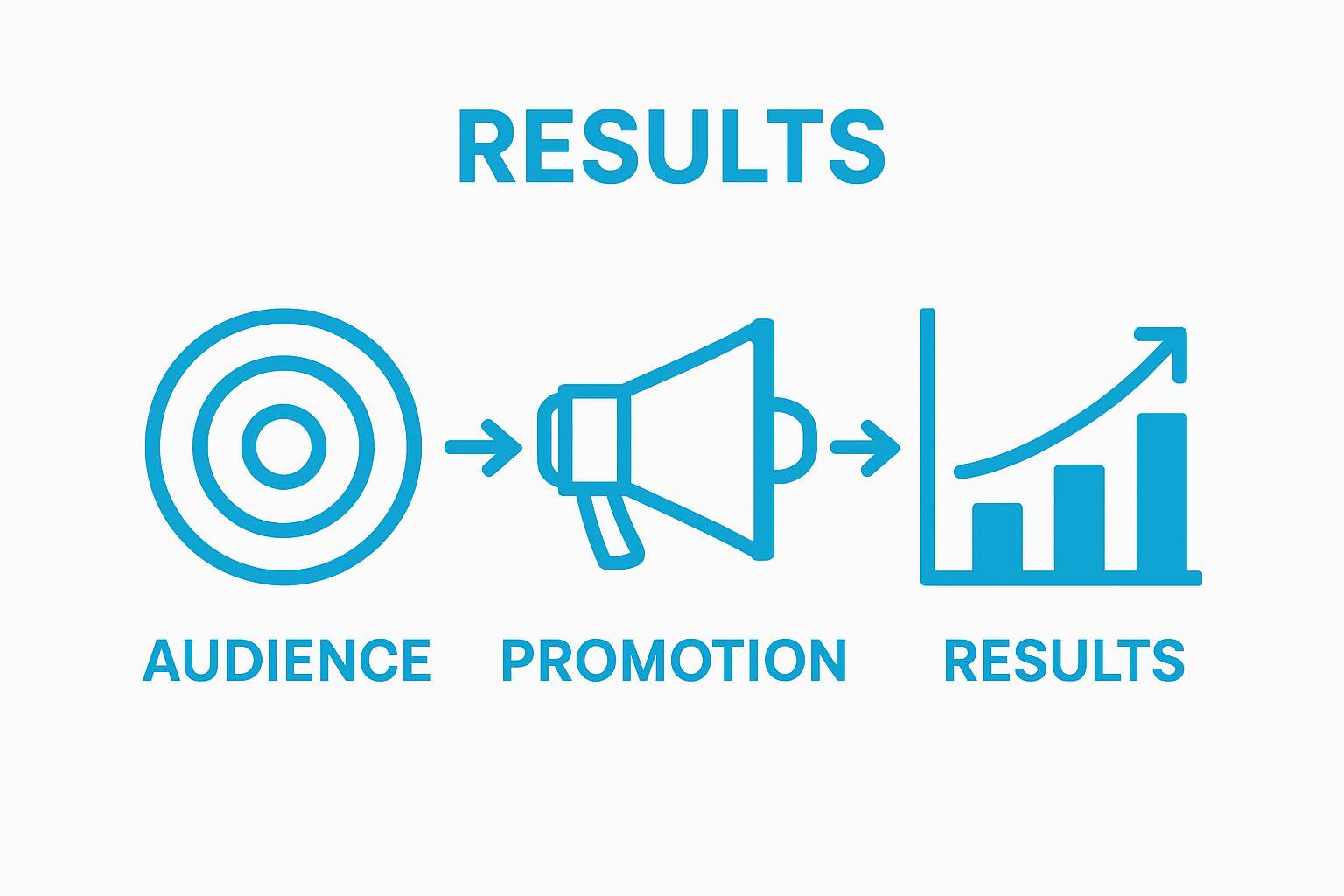
Key Platforms and Channels for Effective Content Promotion
Content promotion requires a strategic multichannel approach that leverages diverse digital platforms to maximize audience reach and engagement. Each platform offers unique advantages and connects with different audience segments, demanding a nuanced and adaptable promotional strategy.
Social Media Platforms: The Core of Digital Promotion
Discover advanced content distribution techniques to optimize your promotional efforts across various channels. Social media platforms represent the most dynamic and flexible content promotion ecosystem, with each network offering distinct opportunities:
- LinkedIn for professional and B2B content targeting
- Instagram for visually driven storytelling and younger demographics
- Twitter for real-time engagement and thought leadership
- Facebook for broad audience reach and community building
Diverse Channels Beyond Social Media
According to research from ResearchGate, effective content promotion extends far beyond traditional social media channels. Email marketing, podcasts, webinars, and specialized industry forums provide targeted opportunities for deep audience engagement.
Successful content promotion strategies integrate multiple channels, creating a comprehensive approach that meets audiences where they naturally consume content. This multichannel methodology ensures maximum visibility, allowing content to reach diverse audience segments through their preferred communication platforms.
To help you quickly compare the strengths and uses of key content promotion platforms and channels, the following table organizes each platform alongside its main audience and optimal content type.
| Platform/Channel | Primary Audience | Best Content Types | Core Strength |
|---|---|---|---|
| Professionals, B2B | Industry insights, case studies | Professional networking | |
| Younger, visual-oriented users | Visual stories, infographics | Visual storytelling | |
| Real-time news and trends | Updates, thought leadership | Real-time engagement | |
| Broad, diverse user base | Community posts, articles, events | Community building, reach | |
| Email Marketing | Subscribers, targeted segments | Newsletters, personalized offers | Direct personalized engagement |
| Podcasts | Niche, engaged listeners | Audio discussions, interviews | Deep audience engagement |
| Webinars/Forums | Industry-specific professionals | Live presentations, Q&A sessions | Authority and lead generation |
The most sophisticated content promotion approaches recognize that each channel requires a tailored strategy. What works on LinkedIn might not translate directly to Instagram, emphasizing the importance of platform-specific content adaptation and understanding unique audience expectations across different digital environments.
Understanding Metrics and Analytics in Content Promotion
Metrics and analytics serve as the critical diagnostic tools that transform content promotion from guesswork into a precise, data-driven strategy. By systematically measuring performance across multiple dimensions, marketers can understand content effectiveness, audience engagement, and potential areas of improvement.
Key Performance Indicators for Content Promotion
Learn advanced performance tracking techniques to refine your content strategy. Essential metrics provide insights into content reach, engagement, and conversion potential:
- Engagement rate measuring likes, comments, and shares
- Click-through rates indicating content relevance
- Conversion metrics tracking audience actions
- Audience growth and retention statistics
Comprehensive Analytics Framework
According to University of Houston research, successful content promotion demands a holistic approach to performance measurement. Analytics go beyond surface-level numbers, offering deep insights into audience behavior, content resonance, and strategic effectiveness.
The most sophisticated content promotion strategies leverage advanced analytics tools that integrate data from multiple platforms, creating a comprehensive view of content performance. By analyzing metrics across social media, websites, email campaigns, and other channels, marketers can develop nuanced understanding of audience preferences and content impact.
Below is a summary table of essential content promotion metrics and analytics, highlighting what each metric measures and how it contributes to optimizing strategy.
| Metric | What It Measures | Why It Matters |
|---|---|---|
| Engagement Rate | Likes, comments, shares | Indicates audience interaction and relevance |
| Click-Through Rate | Percentage clicking through to content | Shows how compelling the content is |
| Conversion Metrics | Actions taken (sign-ups, downloads) | Connects promotion to business outcomes |
| Audience Growth | Increase in audience size over time | Reflects successful reach and retention |
| Retention Statistics | Repeat audience interactions | Reveals long-term engagement and loyalty |
Ultimately, metrics and analytics transform content promotion from a subjective process into a precise, measurable discipline. They enable marketers to make informed decisions, optimize strategies in real-time, and continuously improve content effectiveness across diverse digital platforms.

Integrating Content Promotion Strategies with Overall Marketing Goals
Content promotion strategies must align seamlessly with broader marketing objectives to create a cohesive and impactful digital communication approach. This integration transforms isolated content efforts into a synchronized ecosystem that amplifies brand messaging and drives strategic business outcomes.
Aligning Content with Strategic Objectives
Explore strategic content optimization techniques to ensure your promotional efforts support core marketing goals. Successful integration requires a comprehensive understanding of how content connects with overarching business strategies:
- Identifying specific marketing goals for each content piece
- Mapping content promotion channels to target audience segments
- Creating consistent messaging across different platforms
- Establishing clear metrics for measuring strategic alignment
Unified Messaging and Brand Coherence
According to Integrated Marketing Communications research, successful marketing strategies demand a consistent narrative across all communication channels. Content promotion cannot exist in isolation but must serve as a dynamic extension of the brand’s core messaging and strategic vision.
The most effective content promotion strategies function as a strategic bridge between individual content pieces and broader marketing objectives. By carefully designing content that resonates with specific business goals, marketers can transform promotional efforts from tactical exercises into powerful instruments of strategic communication.
Ultimately, integrating content promotion with marketing goals requires continuous alignment, regular performance evaluation, and a willingness to adapt strategies based on evolving business needs and audience insights. This approach ensures that every piece of content contributes meaningfully to the organization’s broader growth and engagement objectives.
Unlock the True Impact of Your Content Promotion
Is your high-quality content being overlooked despite your best efforts? Many marketers invest hours perfecting their strategy only to find their work lost among competitors. If you are struggling to connect content to the right audience or feeling disappointed by lackluster engagement, you are not alone. This article highlighted how essential it is to measure performance and avoid wasted effort—topics that matter most when you want real results.
Stop letting keyword confusion and content overlap hold you back. With RankAligner, you can turn your promotion plan into a powerhouse of visibility and growth. Start discovering hidden content gaps, eliminate keyword cannibalization, and position every piece right where it needs to be. Visit our landing page to see why top SEO consultants trust us. Your content deserves to be seen—start achieving peak results today.
Frequently Asked Questions
What are content promotion strategies?
Content promotion strategies are systematic approaches used by businesses and content creators to enhance the reach, engagement, and visibility of their digital content across various channels. They focus on targeted methods to connect content with the most relevant audience segments.
Why is content promotion important?
Content promotion is crucial because it ensures that high-quality content is not overlooked. Without deliberate promotion, even the best content can remain undiscovered, limiting its potential impact. Effective promotion increases traffic, engagement, and ultimately supports broader marketing objectives.
How can understanding the target audience enhance content promotion?
Understanding the target audience allows marketers to create personalized content that resonates with specific segments. This enhances engagement and effectiveness and can significantly increase revenue potential by crafting messages that address the unique needs of each audience.
What metrics should be used to measure the success of content promotion?
Key metrics for measuring content promotion success include engagement rates (likes, comments, shares), click-through rates, conversion rates, and audience growth statistics. Analyzing these metrics helps marketers understand content effectiveness and areas for improvement.
Recommended
- How to Identify Content Gaps for Better SEO Results – Rank Aligner – Your Ultimate Keyword Cannibalization Problem Solver
- The Final Guide to Content Cannibalization in SEO (& How to Avoid)
- AI Content and SEO: Strategies for Smart Digital Growth – Rank Aligner – Your Ultimate Keyword Cannibalization Problem Solver
- SERP Features Explained: Guide for SEO Success – Rank Aligner – Your Ultimate Keyword Cannibalization Problem Solver